- Things to see
- Greece Deluxe
The Parthenon: A Symbol of Ancient Greece
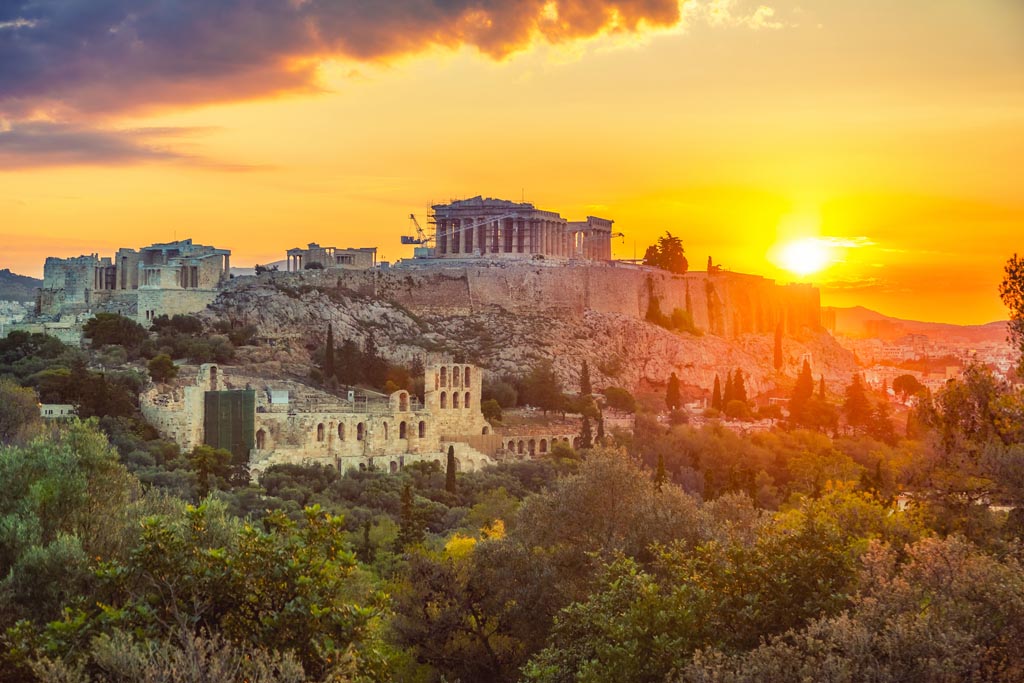
The Parthenon is one of the most recognized landmarks of ancient Greece. Located on the Acropolis in Athens, it represents classical architecture, democratic ideals, and Greece’s rich cultural heritage. This ancient temple continues to fascinate visitors with its historical importance and stunning design.
Historical Context
Constructed in the 5th century BCE, the Parthenon was built during Athens’ Golden Age. It was dedicated to Athena, the city’s protector and goddess of wisdom. The temple was created to honor Athena Parthenos, which translates to “Athena the Virgin.” The visionary leader Pericles supervised its construction, aiming to celebrate Athens’ triumph after the Persian Wars.
The Parthenon symbolized both religious devotion and political power. Its creation marked a high point in Greek architecture and art, leaving a lasting impression on civilizations that followed.
Architectural Marvel
The Parthenon stands as a masterpiece of Doric architecture, while also including Ionic features. The architects Iktinos and Kallikrates designed the temple with extraordinary precision. To enhance its visual appeal, they used clever optical adjustments, such as slightly curving the columns.
The temple spans 69.5 meters in length and 30.9 meters in width. Originally, it had 46 outer columns and 19 inner ones, all made from brilliant Pentelic marble. The central space housed an enormous statue of Athena Parthenos, crafted by Phidias. This sculpture, made of ivory and gold, became the focal point of admiration and worship.
The Parthenon’s Artistic Features
The decorative sculptures of the Parthenon make it truly remarkable. A continuous frieze ran along the inner walls, portraying the Panathenaic procession. This major festival was celebrated in honor of Athena. The metopes above the columns displayed mythological battles, including the famous fight between gods and giants.
The pediments added even more grandeur to the temple. The east pediment showed Athena’s miraculous birth, while the west depicted her contest with Poseidon for Athens’ favor. These sculptures demonstrate the Greeks’ artistic brilliance and storytelling abilities.
From Ancient Times to Modern Day
Over the centuries, the Parthenon has experienced many transformations. During the Byzantine era, it became a Christian church. Later, under Ottoman rule, it was converted into a mosque. Tragically, in the 17th century, an explosion caused severe damage when gunpowder stored inside was ignited.
Despite these challenges, the Parthenon remains a global symbol of resilience. Today, it is a UNESCO World Heritage Site, with ongoing restoration efforts preserving its legacy. While some original sculptures were lost or removed, much of its beauty and significance endure.
Visiting the Parthenon
Visiting the Parthenon allows one to connect with ancient Greek history. Situated on the Acropolis, it offers breathtaking views of Athens. The pathway to the temple takes visitors past other important sites, including the Erechtheion and the Propylaea.
The nearby Acropolis Museum enriches the experience. This museum houses artifacts and sculptures from the Parthenon and other structures. Through its exhibits, visitors gain a deeper understanding of the temple’s history and cultural importance.
The Parthenon’s Lasting Influence
The Parthenon’s impact extends far beyond Greece. Its design principles have inspired countless structures worldwide. Many government buildings, museums, and cultural landmarks reflect its timeless elegance. The Parthenon serves as a reminder of ancient Greece’s contributions to art, architecture, and democracy.
Conclusion
The Parthenon is more than an ancient temple—it is a testament to Greece’s enduring cultural legacy. Its architectural brilliance, historical significance, and artistic achievements continue to inspire admiration. A visit to the Parthenon offers a unique opportunity to step back in time and witness the achievements of classical Greece firsthand.