- Things to see
- Greece Deluxe
The Timeless Symbol of Greece
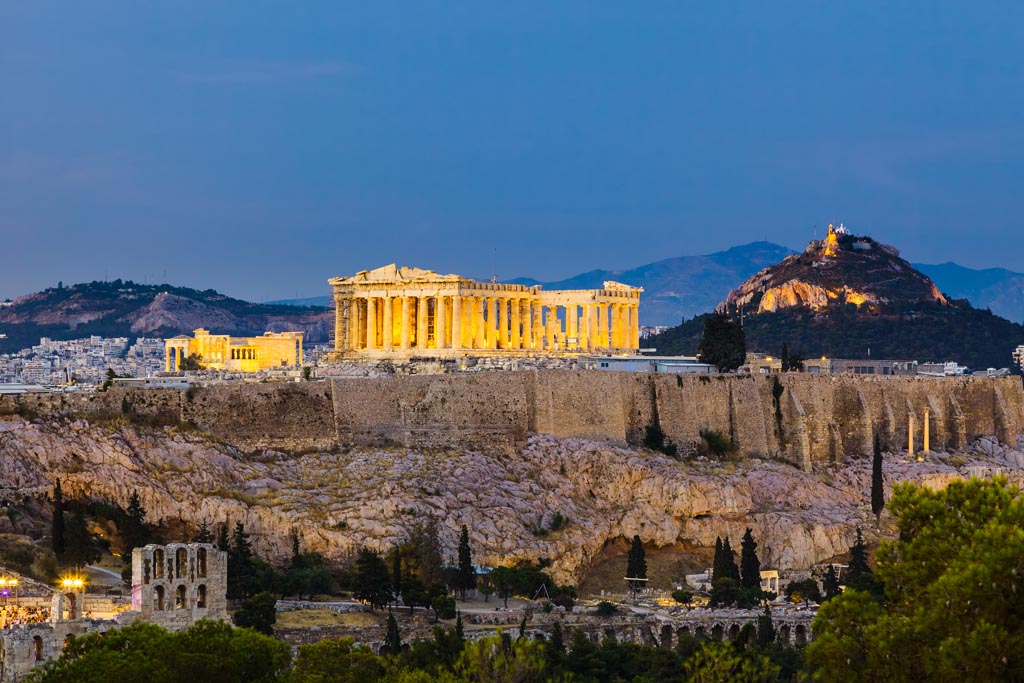
The Acropolis of Athens is a shining testament to the glory of ancient Greece. It is perched on a rocky hill overlooking Athens and represents the cultural and historical heartbeat of the nation. This ancient citadel dates back thousands of years, standing as a symbol of democracy, art, and intellectual achievements. Visitors from around the globe flock to this UNESCO World Heritage site, eager to witness its grandeur and historical significance.
The word “Acropolis” derives from the Greek words “akron,” meaning “highest point,” and “polis,” meaning “city.” Its location was strategic, offering both protection and prominence. Over centuries, it evolved into a site that celebrated Greek art, religion, and culture. Today, the Acropolis remains one of the most iconic landmarks of ancient civilization.
A Journey Through Ancient History
The history of the Acropolis spans back to the Neolithic period, but its golden age began during the 5th century BCE. Under the leadership of Pericles, Athens experienced a cultural and political renaissance. During this time, many of the Acropolis’ renowned structures, including the Parthenon, were built.
This era, often called the Golden Age of Athens, was marked by extraordinary achievements in art, architecture, and philosophy. The Acropolis served not only as a religious center but also as a hub for civic and cultural activities. It became a beacon of democracy and intellectual progress, influencing societies far beyond Greece’s borders.
The Parthenon: Jewel of the Acropolis
The Parthenon is the crown jewel of the Acropolis and one of the most recognized architectural masterpieces in the world. Dedicated to Athena, the patron goddess of Athens, this temple reflects the city’s devotion to its protector. Built between 447 and 432 BCE, the Parthenon is celebrated for its perfect proportions and intricate carvings.
Constructed in the Doric style, the temple features elegant columns and a marble structure that radiates timeless beauty. Inside, it originally housed a colossal statue of Athena, made of gold and ivory. The Parthenon has survived centuries of wars, earthquakes, and looting, yet it continues to captivate visitors with its enduring majesty.
Other Architectural Marvels
Beyond the Parthenon, the Acropolis is home to several other notable structures. The Erechtheion, known for its Porch of the Caryatids, is an architectural wonder. This temple, dedicated to both Athena and Poseidon, features six intricately designed female figures that serve as columns.
Another remarkable building is the Temple of Athena Nike, a small yet stunning structure that commemorates Athens’ military victories. Its Ionic design and detailed reliefs add to the Acropolis’ architectural diversity. The Propylaea, the grand entrance to the Acropolis, showcases the skill of ancient Greek architects in designing monumental gateways.
The Acropolis Museum: A Treasure Trove
The Acropolis Museum, located at the base of the hill, provides visitors with a deeper understanding of the site’s history. Opened in 2009, the museum houses artifacts, sculptures, and relics unearthed from the Acropolis. Its modern design contrasts with the ancient ruins, creating a unique blend of past and present.
The museum’s highlights include the Parthenon Marbles, which depict scenes from Greek mythology. These sculptures were once part of the Parthenon’s frieze, showcasing the artistic brilliance of ancient Greece. Visitors can also admire pottery, tools, and other artifacts that offer glimpses into the daily life of ancient Athenians.
Visiting the Acropolis: A Must-See Experience
A visit to the Acropolis is an unforgettable experience. Accessible from Athens, it is a short climb to the hilltop, where visitors are greeted with stunning views of the city below. The site’s central location makes it easy to include in any Athens itinerary.
Exploring the Acropolis allows visitors to step back in time. Walking through the Propylaea, standing before the Parthenon, and admiring the Erechtheion provides a profound sense of connection to ancient Greece. Early mornings or late afternoons are the best times to visit, as the crowds are smaller and the lighting is perfect for photographs.
The Enduring Legacy
The Acropolis of Athens is much more than an archaeological site. It is a symbol of the ideas, values, and innovations that shaped Western civilization. Its structures reflect the brilliance of ancient Greek artistry and the philosophical advancements of the time.
For anyone passionate about history, art, or architecture, the Acropolis is a destination like no other. It continues to inspire awe, serving as a bridge between the ancient and modern worlds. A visit to this iconic site is an opportunity to witness the enduring legacy of Greek culture firsthand.