- Food & drinks
- Greece Deluxe
Greek cuisine is a rich and flavorful celebration of the country’s history and culture. The food reflects Greece’s long-standing traditions and diverse regional influences. Known for its use of fresh ingredients, Mediterranean herbs, and vibrant flavors, Greek cuisine is both healthy and delicious. Whether you are visiting Greece or enjoying a meal at a Greek restaurant abroad, this culinary experience is unforgettable.
The Foundations of Greek Cuisine
Greek cuisine is based on a foundation of simple yet high-quality ingredients. Olive oil, fresh vegetables, grains, and seafood are staples of the diet. The use of fresh, local produce is a hallmark of Greek cooking. It is no surprise that Greek food is often seen as one of the healthiest in the world.
The Mediterranean diet, which is largely centered around the Greek way of eating, is well-known for promoting longevity and good health. Olive oil, in particular, is a key ingredient in many dishes and is celebrated for its health benefits. Greek food emphasizes balance, focusing on plant-based dishes with small amounts of meat or fish.
Iconic Greek Dishes
Some Greek dishes have become famous worldwide. Among the most popular are moussaka, souvlaki, tzatziki, and Greek salad. Moussaka is a layered casserole made with eggplant, minced meat, and béchamel sauce. It is hearty and flavorful, offering a rich taste of Greek comfort food.
Souvlaki, grilled meat skewers, are a common street food in Greece. Served with pita bread and fresh vegetables, souvlaki is a favorite snack or quick meal. Tzatziki, a yogurt-based sauce with cucumbers and garlic, is often served as a dip or side dish. It pairs perfectly with grilled meats or fresh bread.
Greek salad is a fresh, vibrant dish made with tomatoes, cucumbers, olives, onions, and feta cheese. The salad is dressed with olive oil, oregano, and sometimes vinegar. It’s the perfect appetizer or side dish to any meal.
Seafood and Fresh Ingredients
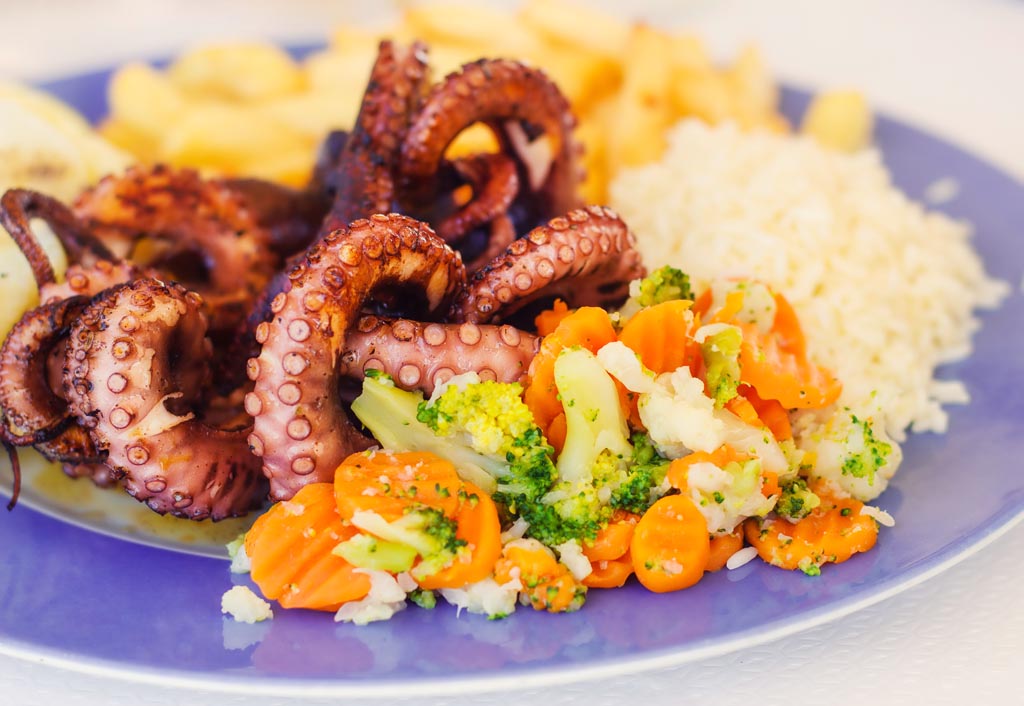
Greece’s coastline and numerous islands provide an abundance of fresh seafood. Fish and shellfish play an important role in Greek cuisine, with many coastal towns offering fresh catches of the day. Dishes like grilled octopus, shrimp saganaki (shrimp in tomato sauce with feta cheese), and fish stew are popular. These dishes are often enjoyed with a glass of ouzo, Greece’s famous anise-flavored aperitif.
In addition to seafood, Greece is known for its wide variety of fruits and vegetables. Tomatoes, olives, cucumbers, and lemons are common ingredients in Greek dishes. The fresh, natural flavors of these ingredients shine through in simple preparations. Greek cooking often involves grilling or baking, which allows the natural flavors to stand out.
Regional Specialties
Each region of Greece has its own unique dishes and flavors. For example, in the island of Crete, you will find dishes like dakos, a type of salad made with barley rusk, tomatoes, and feta cheese. In the Cycladic islands, fresh seafood dishes dominate, while in the northern regions, dishes like Bougatsa (a pastry filled with custard or meat) are common.
One of the most beloved dishes in Thessaloniki, a city in northern Greece, is Bougatsa, a pastry filled with either sweet custard or savory fillings like minced meat or cheese. The city is also known for its rich and flavorful meat dishes.
Sweets and Desserts
No meal in Greece is complete without dessert. Greek sweets are rich, flavorful, and often feature honey, nuts, and phyllo pastry. Baklava, a layered pastry filled with nuts and soaked in honey syrup, is perhaps the most famous Greek dessert.
Another popular treat is loukoumades, small dough balls that are fried until golden and then drenched in honey syrup. These are often served as a snack or dessert.
Greek yogurt, which is thick and creamy, is often used in desserts or enjoyed as a breakfast dish. It is typically served with honey and nuts, making it a perfect end to any meal.
The Importance of Sharing Meals in Greek Culture
In Greece, food is not just about nourishment; it’s about community and sharing. Meals are often enjoyed with family and friends, and gatherings are an important part of Greek culture. Dining is seen as a social activity, where food is shared, stories are exchanged, and bonds are strengthened.
Many Greek dishes are designed for sharing. Meze, small plates of food, are commonly served at the beginning of a meal. These dishes include a variety of flavors, such as olives, cheese, meats, and dips. Meze provides an opportunity for everyone at the table to taste a little bit of everything.
The Legacy of Greek Cuisine
Greek cuisine is more than just food; it is a reflection of the country’s history, geography, and culture. The ingredients, techniques, and recipes have been passed down through generations, and today, they continue to be an integral part of daily life in Greece.
Greek cuisine has also influenced many other Mediterranean and Middle Eastern cuisines. The use of olive oil, fresh herbs, and simple ingredients can be seen in the cooking of countries across the Mediterranean. In this way, Greek cuisine has become a cornerstone of Mediterranean culinary tradition.
Conclusion
Greek cuisine is a journey through tradition, flavor, and culture. From fresh seafood to rich pastries, every dish tells a story. The use of simple, natural ingredients creates food that is both healthy and delicious. Whether you’re enjoying a classic moussaka or a sweet piece of baklava, Greek food offers an unforgettable taste of Greece’s rich culinary heritage.
When you visit Greece, food becomes an essential part of the experience. The flavors, traditions, and hospitality will leave a lasting impression on your senses. Whether you’re dining in a seaside taverna or a bustling Athens restaurant, the culinary journey will be one you’ll never forget.